Know Your Rights Before You Walk Through That Door: Hijab, Hiring, and the Law
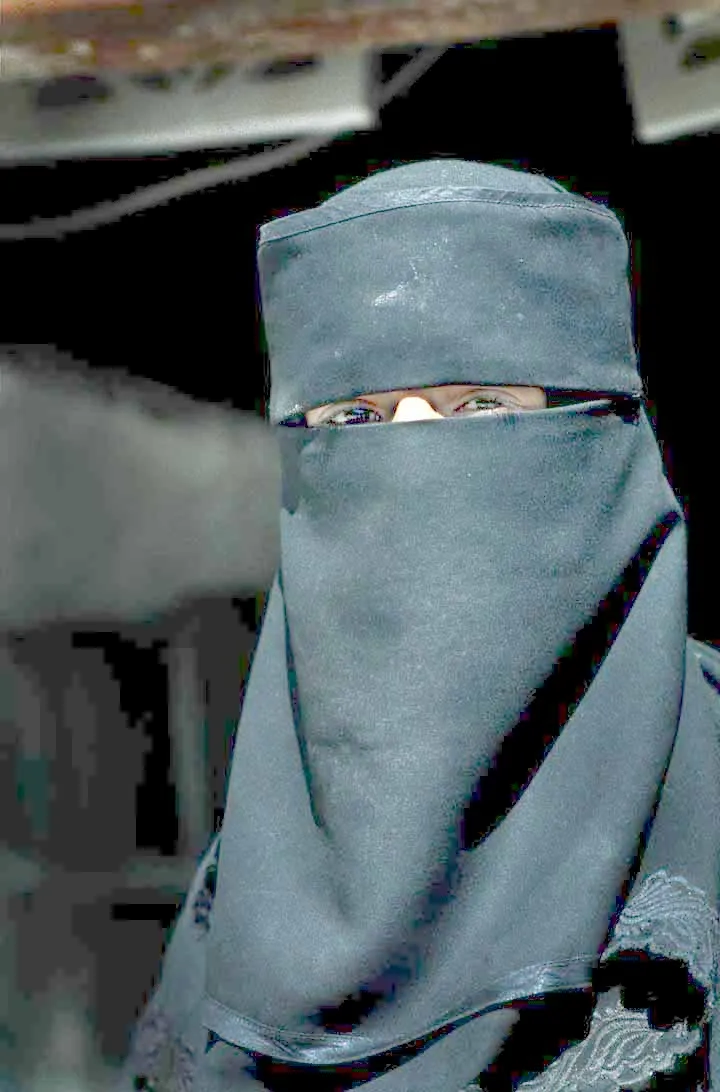
Photo: Muslim_woman_in_Yemen.jpg: Steve Evans, imported by FlickrLickr derivative work: Bertrand GRONDIN (talk), CC BY-SA 3.0, via Wikimedia Commons
Let's be honest about something. The moment some Muslim women in hijab click "submit" on a job application, they're already doing a kind of math in their heads — calculating risk, imagining the hiring manager's face, wondering whether their qualifications will even get a fair read. That math is exhausting. And it shouldn't be necessary.
But here's the thing: the law is actually on your side in ways that might surprise you. The problem is that most of us were never taught what those protections look like in practice — or how to use them.
The Federal Foundation: Title VII and What It Actually Covers
The starting point for workplace religious discrimination law is Title VII of the Civil Rights Act of 1964. Under this federal statute, employers with 15 or more employees are prohibited from discriminating against workers or job applicants based on religion. That includes refusing to hire someone because she wears hijab, making hiring decisions based on assumptions about a candidate's religious commitments, or applying dress codes that force employees to choose between their faith and their job — without offering a reasonable accommodation.
The key phrase is "reasonable accommodation." Employers are legally required to accommodate an employee's sincerely held religious beliefs unless doing so would cause what the law calls "undue hardship" — and the Supreme Court raised the bar on what counts as undue hardship significantly in its 2023 Groff v. DeJoy ruling. Basically, employers now have to show that accommodating you would cause substantial costs or disruption, not just minor inconvenience. That's a meaningful shift in your favor.
The Equal Employment Opportunity Commission (EEOC) is the federal agency that enforces Title VII. If you believe you've faced religious discrimination in hiring or in the workplace, filing a charge with the EEOC is typically the first step before you can pursue a lawsuit.
Real Women, Real Cases
This isn't abstract. Muslim women have taken employers to court — and won.
The most widely known case is EEOC v. Abercrombie & Fitch Stores, Inc., which went all the way to the Supreme Court in 2015. Samantha Elauf, a young Muslim woman in Oklahoma, wore a hijab to her job interview. She was denied the position because her headscarf conflicted with the company's "Look Policy." The Supreme Court ruled 8-1 in her favor, holding that Abercrombie didn't need to be explicitly told about her religious practice — if the need for accommodation was obvious, they were still required to act on it. Elauf received back pay, and the case sent a message across corporate America.
More recently, Muslim women have successfully challenged discriminatory practices in healthcare, retail, and corporate environments. In many of these cases, the key wasn't just that discrimination occurred — it was that the women documented it, sought legal counsel early, and understood that silence wasn't their only option.
State-by-State: Where You Have Extra Backup
Federal law sets the floor, but many states have built something higher. Here's a quick look at how protections vary across the US:
California has some of the strongest religious discrimination protections in the country. The California Fair Employment and Housing Act covers employers with five or more employees (versus the federal threshold of 15) and provides broader remedies.
New York offers robust protections at both the state and city level. The New York City Human Rights Law is particularly expansive, covering employers with four or more employees and giving workers additional avenues to seek relief.
Texas, Florida, and Georgia rely more heavily on federal protections, though each has state-level agencies that handle discrimination complaints. Coverage gaps can be more pronounced in these states, making it especially important to understand the federal framework.
Illinois and Michigan have state civil rights laws that complement Title VII, and advocacy organizations in both states have been active in supporting Muslim workers.
If you're unsure what your state offers, organizations like the Council on American-Islamic Relations (CAIR) have legal departments that provide free consultations and can help you understand your specific situation.
Before the Interview: Practical Steps to Protect Yourself
Knowing your rights is one thing. Using them strategically is another. Here's what legal advocates and Muslim women who've navigated this recommend:
Research the company's culture before you apply. Look for their diversity statements, employee reviews on Glassdoor, and any public information about how they handle religious accommodations. It won't tell you everything, but it gives you a starting point.
You are not required to disclose your religion. You don't owe a prospective employer an explanation of your hijab or your faith during the interview process. Your appearance speaks for itself, and the law protects you whether or not you've made a formal accommodation request.
Document everything. If you're rejected after an interview where your hijab was commented on, write it down — date, time, who said what, any witnesses. This documentation can be critical if you decide to file a complaint later.
Know the EEOC timeline. You generally have 180 days from the date of discrimination to file a charge with the EEOC — or 300 days if your state has its own anti-discrimination agency. Don't wait.
Seek legal support early. CAIR, the ACLU, and organizations like Muslim Advocates offer resources and legal referrals. You don't have to figure this out alone.
The Bigger Picture
None of this means the hiring process will suddenly feel fair once you know the rules. Discrimination is often subtle, deniable, and deeply frustrating to prove. But understanding your legal standing changes something — it shifts you from hoping employers will do the right thing to knowing what you're owed when they don't.
Muslim women belong in every industry, at every level. The law says so. And increasingly, so do the women who've walked into courtrooms and proved it.