Covered and Confident: What Muslim Women Really Face in the Job Interview Room
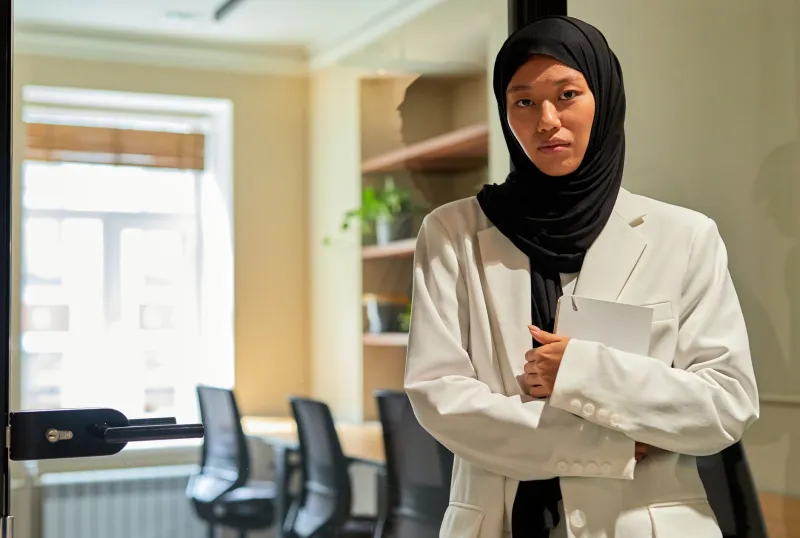
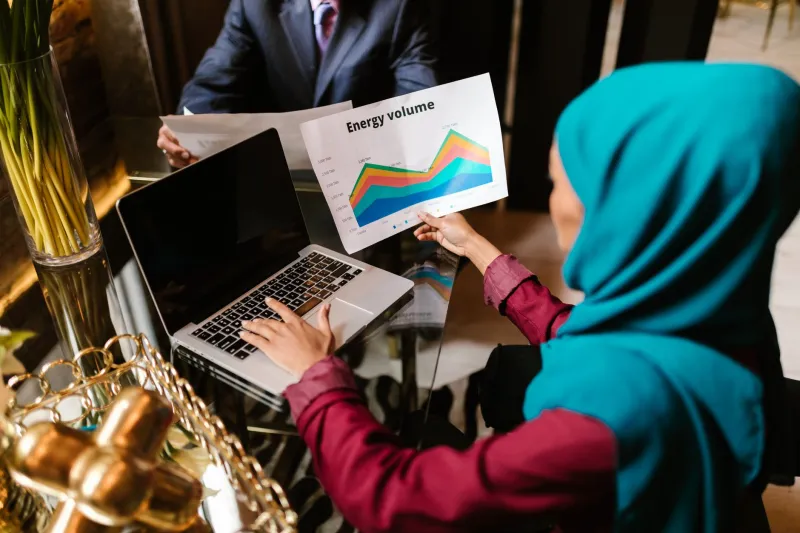
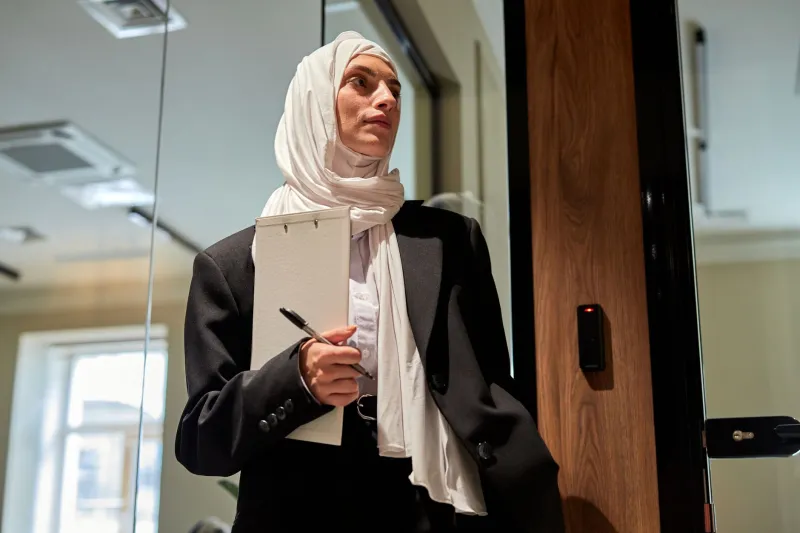
Let's set the scene. You've done everything right — tailored your resume, researched the company, rehearsed your answers in the mirror at 11 PM. You walk into the lobby in a blazer that fits perfectly, your hijab pinned neatly, your portfolio under your arm. And then you catch it. The almost-imperceptible double take from the receptionist. The slight pause before the hiring manager extends their hand. The moment where the room recalibrates.
For Muslim women who wear hijab, job interviews aren't just professional evaluations. They're loaded events where identity, faith, and ambition collide in real time. And while the conversation around workplace diversity has gotten louder in recent years, the specific experience of visibly Muslim women in hiring spaces remains frustratingly underexplored.
So let's actually talk about it.
The Bias Nobody Wants to Admit Exists
Here's what the data says: research consistently shows that candidates with identifiably Muslim names receive fewer callbacks than their counterparts with Anglo-sounding names — and that's before anyone even sees a headscarf. Add visible religious expression to the equation, and the bias compounds. A 2019 study published in Social Forces found that Muslim women in hijab faced significantly higher rates of discrimination in hiring compared to non-hijabi Muslim women and non-Muslim women overall.
But you don't need a study to tell you what you've probably already lived. Nadia, a 29-year-old marketing professional in Chicago, remembers interviewing for a brand strategy role at an agency she genuinely loved. "The interview went so well — we were laughing, vibing, they were finishing my sentences," she says. "And then I never heard back. Not even a rejection email. I'll never know for sure, but I know what I felt walking out of that room."
The ambiguity is its own kind of exhaustion. You're left parsing every interaction, wondering what was skill assessment and what was something else entirely.
The Inner Negotiation Before You Even Walk In
Long before the interview itself, there's a whole internal conversation that hijabi job seekers are having that their non-Muslim peers simply don't. Do you include a photo on LinkedIn, knowing it might filter you out before you even get a call? Do you mention your name's pronunciation proactively to seem approachable, or does that feel like over-explaining yourself before you've said anything of substance?
And then there's the question of the hijab itself — not whether to wear it, because for many women that's never a question — but how to style it for a professional context without feeling like you're performing respectability for someone else's comfort.
Fatimah, a 32-year-old attorney in Houston, puts it plainly: "I spent more time thinking about how my hijab would 'read' in my first Big Law interview than I did on any of my actual answers. And I hate that. Because I was more than prepared. But I was also preparing for the version of the room where someone might not see past it."
That mental load? It's real. And it's worth naming.
Practical Moves That Actually Help
None of this means you show up defeated. Quite the opposite. Muslim women who've navigated these spaces successfully tend to share a few common strategies — not as workarounds, but as tools for walking in fully.
Own the room from the first minute. Confidence isn't arrogance; it's information you're giving the interviewer about how to treat you. A firm handshake (or a warm, intentional greeting if you don't shake hands — more on that in a second), direct eye contact, and a composed demeanor signal that you're not waiting for permission to be there.
Address the handshake question on your own terms. If you don't shake hands with men for religious reasons, you have options. Some women prefer to address it lightly and immediately — "I don't shake hands for religious reasons, but it's genuinely great to meet you" — with a smile that keeps the energy warm and professional. Others find that a confident nod and a verbal greeting is enough without any explanation at all. Either approach works. What matters is that you feel settled in your choice, not caught off guard.
Know your rights before you need them. Title VII of the Civil Rights Act requires employers to provide reasonable religious accommodations unless it causes undue hardship. That means prayer breaks, scheduling adjustments around Friday Jumu'ah, and yes, the right to wear religious clothing at work. You don't need to bring this up in a first interview unprompted — but knowing it exists changes how you carry yourself. You're not asking for a favor. You're exercising a protected right.
Time your accommodation conversations strategically. Most career coaches suggest waiting until you have an offer in hand before discussing specific religious accommodations. At that point, the employer has already decided they want you — which shifts the dynamic considerably. Bringing it up too early can inadvertently invite bias before you've had a chance to let your qualifications speak.
Reframing the Narrative: Hijab as Professional Asset
Here's the reframe that more Muslim women are arriving at, and it's worth sitting with: your hijab isn't something to manage around. It's part of what makes you you — which is exactly what companies claiming to value authentic talent should want.
In an era where employers are loudly chasing diversity, authenticity, and "culture add," a woman who navigates the world visibly Muslim, who has likely had to advocate for herself in rooms that weren't built for her, who brings a perspective shaped by faith and resilience — that's not a liability. That's a genuinely differentiated hire.
Some women are leaning into this directly. Zainab, a 27-year-old UX designer in New York, started including a brief mention of her involvement in Muslim professional networks on her resume. "It's a filter," she says. "If a company sees that and it's a problem, I've just saved both of us a lot of time. But it also signals something about who I am — someone who builds community, who leads, who shows up."
That's not naivety. That's strategy.
The Emotional Reality of Onboarding While Visibly Muslim
Getting the job is one milestone. The first few weeks can be their own kind of test. There's the coworker who asks where you're really from. The team lunch where you have to explain halal dietary needs. The open-plan office where finding a quiet corner to pray feels like a logistical puzzle.
Building relationships early — genuinely, not performatively — tends to be the most effective buffer. When people know you as a person before they've had time to build assumptions, the assumptions have less room to take root.
And find your people. Muslim professional networks like the Muslim Women's Professional Network, or city-based groups on LinkedIn and Slack, are full of women who've been exactly where you are. Their advice is practical, their solidarity is real, and sometimes just knowing someone else navigated this and came out the other side is the thing that gets you through the harder days.
You Were Always Qualified
If there's one thing worth holding onto through all of it — the double takes, the ambiguous silences, the mental math before every interaction — it's this: none of it is a reflection of your capability. The bias is real, but it's not the final word.
Muslim women are in boardrooms, courtrooms, operating rooms, and newsrooms across this country. They got there covered, confident, and fully themselves. You can too.