When Your Family Loves You But Doesn't Know You: Living in the Gap Between Worlds
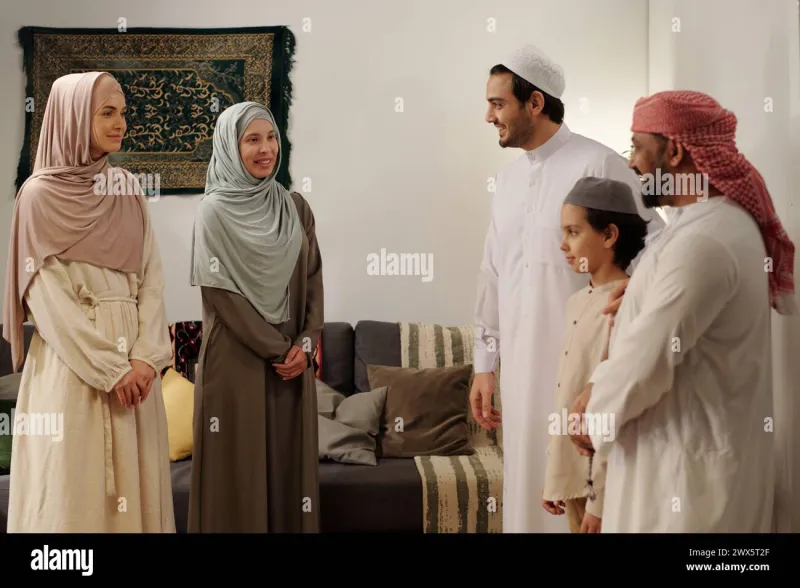
Photo: Muslim woman thoughtful family gathering generational conversation, via c8.alamy.com
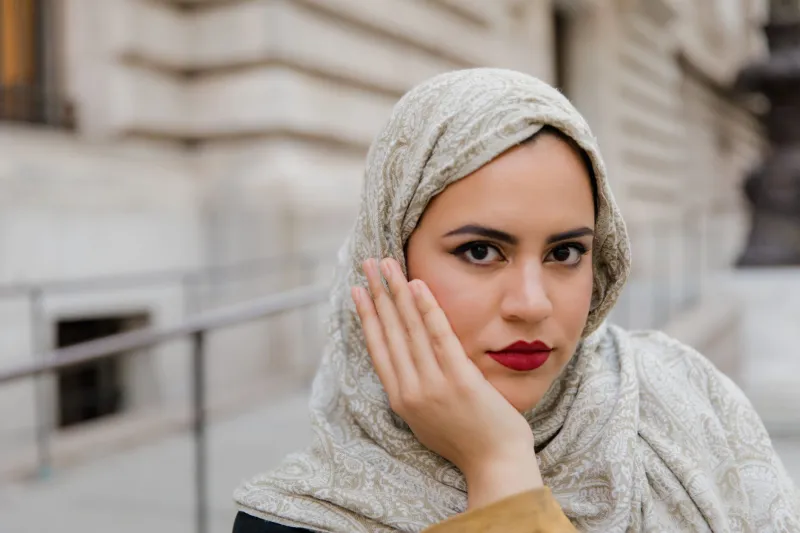
Nadia is 34, a physician's assistant in Chicago, and has not been in a relationship in four years — by choice. Her mother calls every Sunday, and every Sunday the conversation circles back to the same place: You're not getting any younger. There are good brothers at the mosque. Your cousin just got engaged. Nadia loves her mother completely. She also hangs up the phone feeling like she's been gently erased.
"She knows everything about me except me," Nadia told me. "She knows my job, my address, my favorite foods. But she doesn't know what I actually want my life to look like. And I've stopped trying to explain it because the conversation always ends the same way."
This is a story I've heard in variations so many times it has started to feel like its own genre. The details change — the city, the choice, the specific pressure point — but the emotional architecture stays the same: a Muslim woman who loves her family and is loved in return, living inside a gap between who she is and who they see.
The Choices That Create Distance
The choices that tend to generate this kind of family friction aren't always dramatic. Sometimes it's staying single past the age your community considers appropriate. Sometimes it's leaving a stable career to pursue something creative or entrepreneurial. Sometimes it's choosing not to have children, or choosing to have them outside the traditional timeline. Sometimes it's something as seemingly small as living alone — which in some families carries a weight that's hard to overstate.
For Zainab, 29, it was moving across the country for a graduate program her parents didn't understand the point of. "They kept asking when I was coming back. Not whether I was happy. Not whether it was going well. Just when I was coming back. Like the whole thing was a detour from the real life I was supposed to be living."
For Fatima, 38, it was the decision to leave her marriage — a decision she calls the hardest and most necessary thing she's ever done. "My family was supportive, but they didn't know how to talk to me after. Like I'd become someone they needed to be careful around. The love was still there. But there was this new distance, and I don't know if it will ever fully close."
The Particular Pain of Being Loved Incorrectly
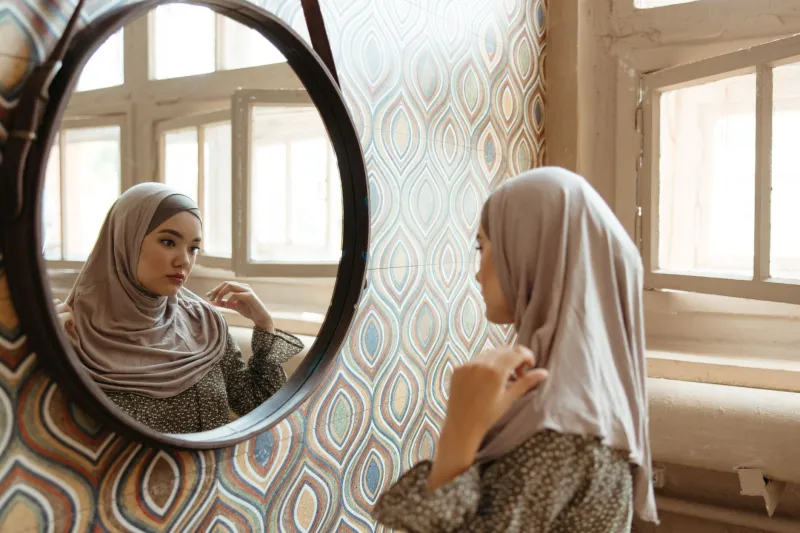
There's a specific kind of loneliness that comes from being around people who love you and still feeling unseen. It's not the loneliness of abandonment. It's the loneliness of translation failure — of speaking the same language and still somehow not being understood.
Psychologist and author Dr. Thema Bryant has written about the experience of being "emotionally orphaned while physically surrounded" — present in the family system, but not truly known within it. For Muslim women navigating the intersection of faith, culture, and individual identity, this experience can be compounded by the weight of communal expectation. Your choices aren't just personal; they're interpreted as statements about your family's honor, your community's values, your faith's integrity.
That's a lot of meaning to carry in a single life decision.
"Every time I don't get married, it feels like I'm doing something to my parents," Nadia said. "Like my singleness is happening at them. And I know that's not rational. But it's hard to separate it."
What Staying Connected Actually Costs
Most of the women I spoke with are not estranged from their families. They're doing something arguably harder: maintaining close relationships while quietly compartmentalizing huge parts of their lives.
They show up for Eid. They call regularly. They bring food to family gatherings and ask about cousins and remember birthdays. They love their families genuinely and without reservation. And they have entire interior lives — entire versions of themselves — that they've learned to keep separate, because bringing those selves to the table has historically ended in pain.
This kind of compartmentalization has real costs. It's tiring to manage. It creates a persistent low-grade grief — the mourning of a closeness that feels just out of reach. And over time, it can make a woman feel like a stranger in her own family, performing belonging rather than experiencing it.
"I've gotten really good at being present without being there," Fatima said. "I can sit at my mom's kitchen table for three hours and never say anything real. And she'll call me afterward and say it was so good to see me. And I'll agree. And I'll mean it. And I'll also feel completely alone."
Finding Ground Between Honoring and Disappearing
There is no clean resolution to offer here. The gap doesn't always close. Some families grow into understanding; others don't. What does seem to make a difference, according to the women I spoke with, is finding language for the experience — both with themselves and, when possible, with their families.
Therapy has been significant for many of them. Not as a place to process family dysfunction, but as a place to get clear on what they actually want — separate from what they've been told to want — and to grieve the fantasy of perfect family understanding without letting that grief collapse into resentment.
Some have found partial bridges. Conversations that don't resolve everything but open small windows. Siblings who get it. Aunts who've lived unconventional lives and know how to hold space without judgment. These partial connections matter enormously.
And some have made peace with the gap itself. Not as a failure or a wound, but as the honest shape of a relationship between people who love each other and are also genuinely different.
"I used to want my mom to understand me," Nadia said. "Now I just want to stop needing her to. That's the work I'm actually doing."
It's quiet work. Unglamorous work. But it's the kind that makes a full life possible — not despite the gap, but alongside it.